Thinking about buying in Brentwood and wondering if you’ll need a jumbo loan? You’re not alone. With many homes priced above regional averages, it is smart to understand how jumbo financing works before you tour your first property. In this guide, you’ll learn what counts as a jumbo loan, how it fits the Brentwood market, what lenders expect, and how to prepare so you can move forward with confidence. Let’s dive in.
What is a jumbo loan?
A jumbo loan is a mortgage that exceeds the conforming loan limit set each year by the Federal Housing Finance Agency. Loans at or below the limit can be purchased or guaranteed by Fannie Mae or Freddie Mac. Anything above that is considered non-conforming, or jumbo, and follows different underwriting and pricing rules.
For 2024, the national single-family baseline conforming limit is $766,550. Some high-cost areas allow higher limits. What matters for you is the current year’s limit for Williamson County, and your target price and down payment. If your required loan amount is above the county limit, you will use a jumbo.
Will you need a jumbo in Brentwood?
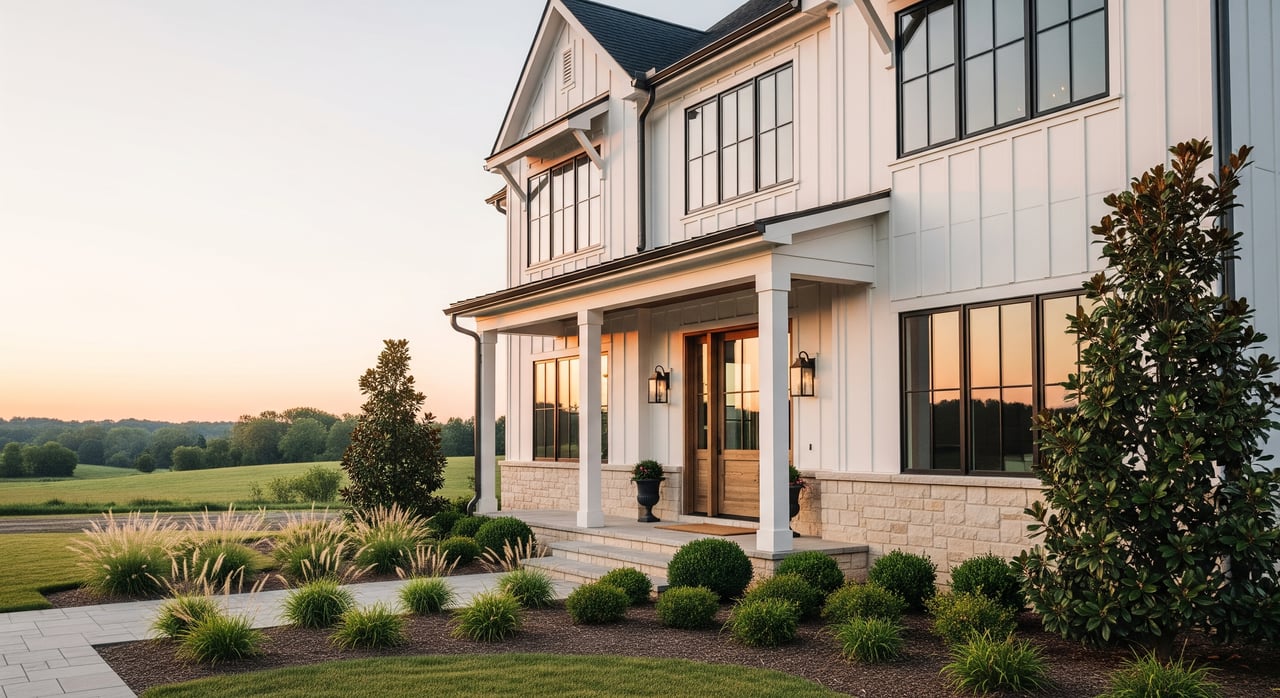
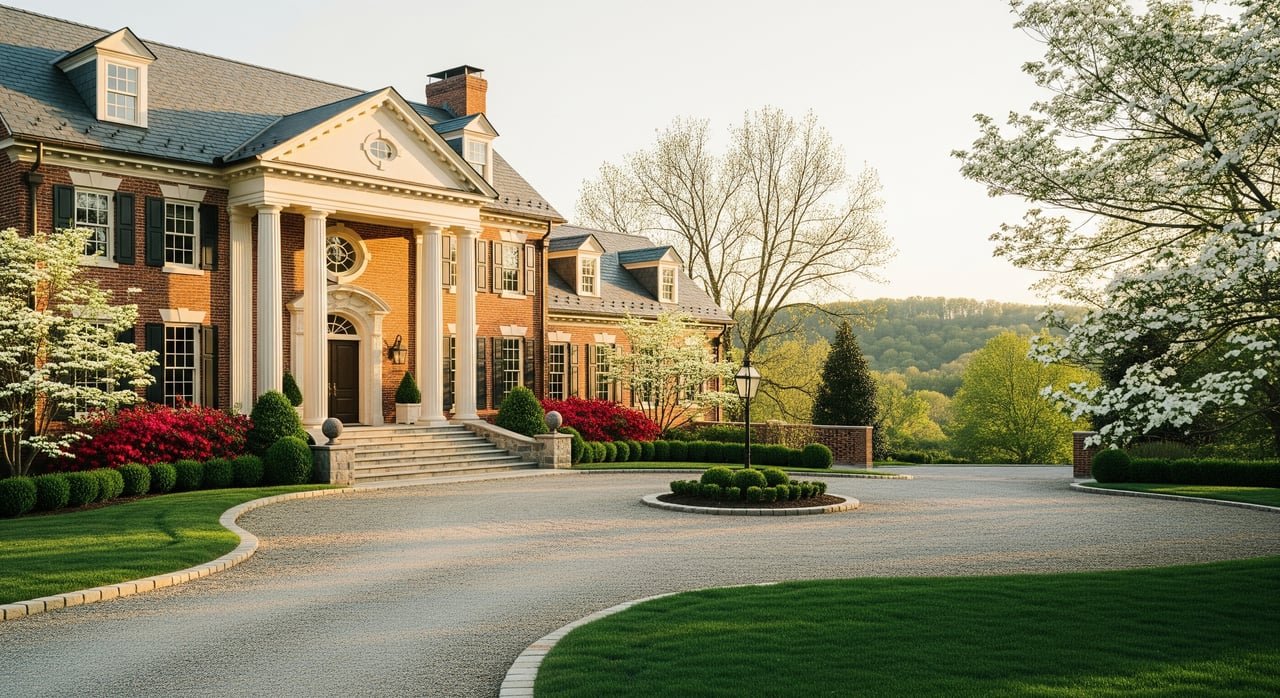
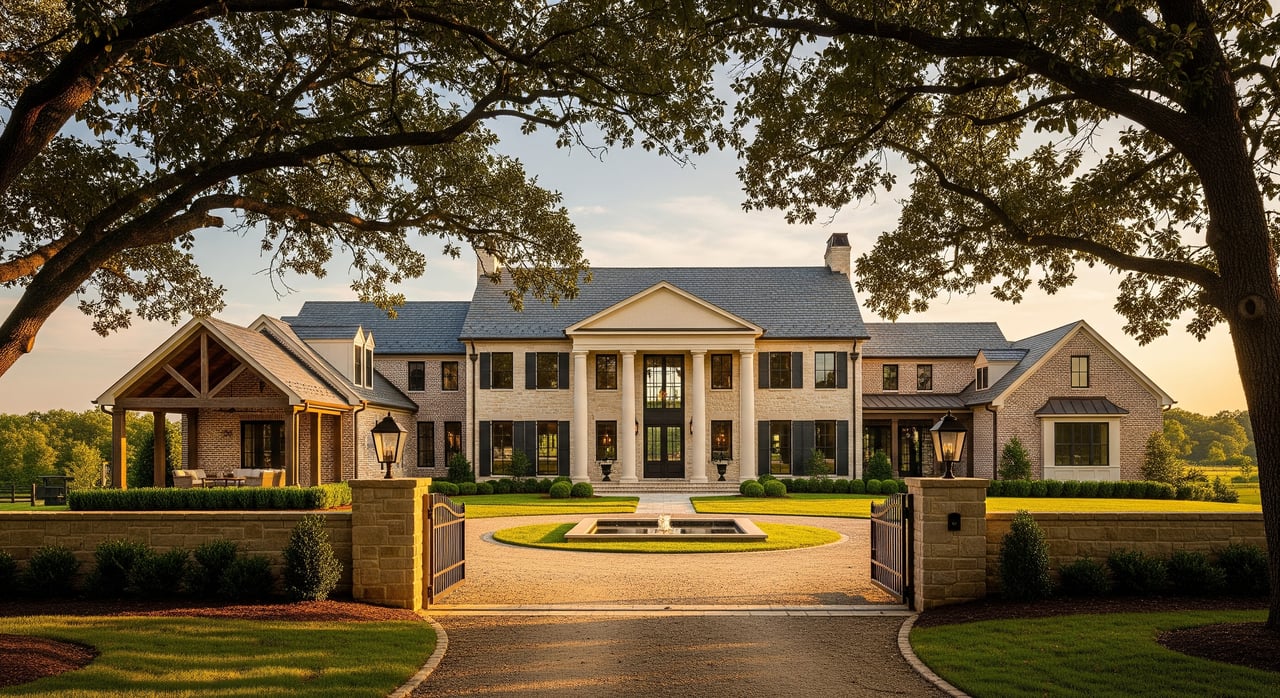
Brentwood is one of the higher-priced suburban markets in the Nashville region. Many single-family homes, new construction, and luxury properties can exceed conforming limits, though plenty of homes still fit under the cap depending on the year and price point.
A quick check: subtract your planned down payment from the purchase price. If the result is above the current county limit, you’ll need a jumbo. For example, on a $1,000,000 home with 20% down, the loan amount is $800,000. If the conforming limit is $766,550, that scenario would be a jumbo. Always verify the current year’s county limit before you start shopping.
Jumbo requirements to expect
Jumbo underwriting is more detailed than many conforming loans. Plan for the following:
Credit score and history
- Stronger credit is rewarded. Mid-700s often receive better pricing. Some lenders accept high-600s with tighter terms or higher rates.
Down payment and LTV
- Many jumbo options target 10% to 20% down. A full 20% often unlocks better pricing and fewer overlays. Second homes and investments usually require more.
Debt-to-income ratio
- Expect tighter DTI caps, commonly in the 36% to 45% range depending on your profile and reserves.
Cash reserves
- Lenders often want 6 to 12 months of PITI verified in liquid or near-liquid accounts. Complex profiles or investment properties may require more.
Documentation
- Full income and asset documentation is standard. Gather recent pay stubs, W-2s, two years of tax returns if self-employed, bank and investment statements, and explanations for large deposits. Be ready to provide documents for bonuses, commissions, and other non-standard income.
Appraisal and valuation
- High-value or unique homes can require enhanced appraisal reviews, which may extend timelines. Custom builds or acreage properties often receive extra scrutiny.
Mortgage insurance
- Traditional PMI is typically for conforming loans. Jumbos rely on stronger down payments, pricing, or lender-specific credit enhancements rather than standard PMI.
Product types and lenders
- You will find fixed-rate jumbos, adjustable-rate jumbos, and portfolio loans from banks or credit unions. Portfolio programs can be flexible but may carry unique rules or pricing.
Jumbo rates vs. conforming rates
Jumbo rates are not one-size-fits-all. Historically, they often sat slightly above conforming rates. At times, competitive markets and investor demand make jumbo rates equal to or even better than conforming. Your rate depends on credit score, down payment, loan type, property type, and the lender’s current appetite for jumbos.
To benchmark, request written lender quotes that show rate, points, and fees in a standardized estimate. Compare multiple options, including local banks, credit unions, and jumbo specialists.
Step-by-step plan for Brentwood buyers
Follow this simple roadmap to stay ahead of the process:
- Confirm if you’ll need a jumbo
- Check the current FHFA conforming loan limit for Williamson County. Estimate your loan amount by subtracting your down payment from your target price.
- Organize your finances early
- Collect pay stubs, W-2s, two years of tax returns if self-employed, and complete bank and investment statements. Document gift funds and be ready to explain large deposits.
- Plan for reserves. A target of 6 to 12 months of PITI is common for jumbos.
- Get a strong pre-approval
- Choose lenders who regularly close jumbos. Ask about reserve requirements, acceptable down payment sources, and whether an early rate lock is available.
- Work with local expertise
- Partner with an agent experienced in high-end Brentwood transactions who understands local appraisal patterns and realistic timelines.
- Build in time for closing
- Jumbo loans can take longer due to documentation and valuation reviews. Pad your timeline to reduce stress.
- Choose the right structure
- Compare fixed and ARM options, review rate lock and float-down choices, and account for taxes, insurance, and HOA dues in your monthly budget.
- Plan for special situations
- Self-employed buyers should expect closer income analysis. Investors and second-home buyers should plan for larger down payments and reserves.
Questions to ask your lender
Use these to get clear, comparable answers:
- What down payment achieves your best pricing on this property type?
- How many months of reserves will you require for my profile?
- What is your maximum DTI for this scenario?
- How do you handle appraisals for unique or high-value homes?
- What is the current rate and fee structure for a 30-year fixed versus an ARM?
- How long is your average jumbo closing timeline, and when can I lock my rate?
How a local advisor helps
Jumbo purchases move faster when your team is aligned. A local agent who handles upper-mid to luxury transactions can coordinate with reputable jumbo lenders, set realistic expectations for appraisals, and keep your timeline on track. That means fewer surprises and more confidence from offer to close.
If you are weighing options in Brentwood or across Williamson County, you do not have to navigate jumbo financing alone. Connect with a trusted, high-touch advisor who knows the neighborhoods, the pricing, and the process.
Ready to talk strategy for your move and introduce lender options tailored to your goals? Reach out to Amy Coliano for a private consultation.
FAQs
What is a jumbo mortgage in Brentwood, TN?
- A jumbo is any mortgage that exceeds the FHFA’s county conforming loan limit for the current year, which makes it a non-conforming loan with different rules.
What is the conforming loan limit for Williamson County?
- Limits adjust annually, so check the current FHFA county limit before you shop and compare it to your expected loan amount.
How do I know if my Brentwood purchase will be jumbo?
- Subtract your down payment from the price; if the result is above the county limit for the year, your loan will be a jumbo.
Will a jumbo always have a higher rate than conforming?
- Not always; market conditions and your profile can make jumbo rates equal to or even lower than conforming at times.
Can I get a jumbo loan with 10% down in Williamson County?
- Some lenders offer it to well-qualified borrowers, often with stronger reserve requirements and potentially higher pricing.
How many months of reserves do jumbo lenders usually require?
- Many programs ask for 6 to 12 months of PITI, and certain properties or profiles may require more.